While global attention has been pulled toward the Middle East, the war in Ukraine hasn’t slowed down — and this week brought developments on both the ground and energy fronts that matter for Europe.
Territory: Small Shifts, Real Consequences
According to independent trackers monitoring the front line, Russian forces made a small net territorial gain over the past month — described by analysts as an area roughly comparable in size to Manhattan Island. That’s a modest shift in absolute terms, but it reverses a brief period where Russian advances had stalled or even lost ground, according to the same tracking data.
Different monitoring groups report slightly different numbers, which is normal in an active conflict where front-line data is difficult to verify in real time — but the overall direction, a slow, grinding shift rather than a dramatic breakthrough, is broadly consistent across sources.
Civilian Impact in Kyiv
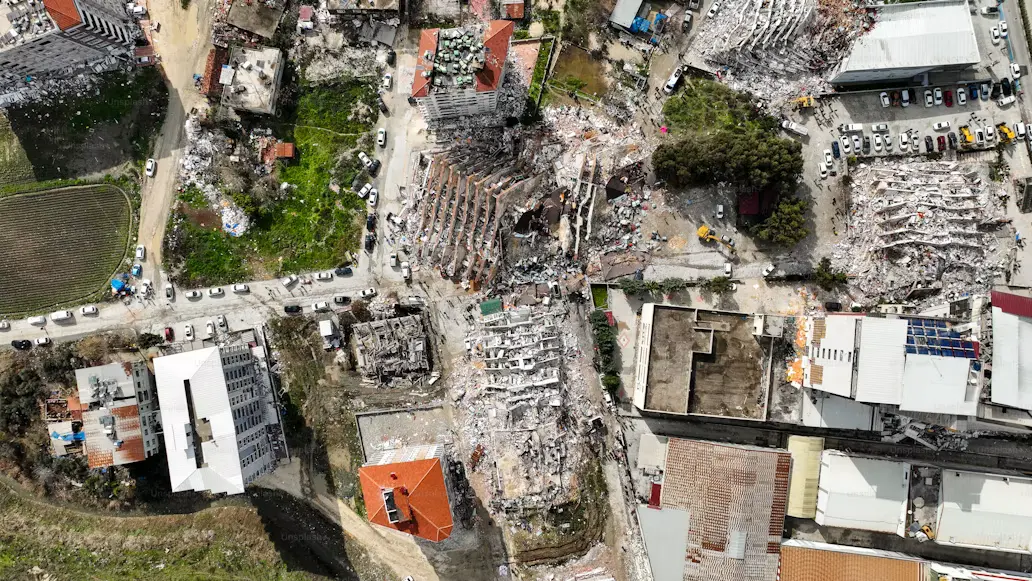
Search and rescue teams have been working in Kyiv to free civilians trapped under rubble following renewed strikes on the capital — a reminder that even as front-line movement remains incremental, the human cost of the war continues weekly, not just during major offensives.
Ukraine Strikes Russian Energy Infrastructure
In a notable move away from the front line itself, Ukrainian forces reportedly struck a Russian oil refinery in Omsk, deep in Siberia — thousands of kilometers from the border. Strikes like this are part of a broader pattern of Ukraine targeting Russian energy infrastructure, aiming to pressure the resources funding Russia’s war effort rather than only contesting territory directly.
Why This Still Matters to European Readers
- Energy markets are watching closely. Strikes on Russian refineries add to an already volatile global oil picture — especially with a separate crisis unfolding around the Strait of Hormuz at the same time.
- The human toll continues. Casualty estimates for the war vary widely by source and by year, but every major tracking organization agrees the losses on both sides, military and civilian, are severe and ongoing.
- European security policy is directly tied to this conflict. Continued fighting keeps defense spending, energy strategy, and diplomatic pressure high on the agenda for European governments.
The Bigger Picture
Neither side appears close to a decisive breakthrough. Small territorial shifts, continued strikes on infrastructure far from the front line, and ongoing civilian casualties paint a picture of a war that has settled into a long, grinding phase — one that continues to shape European energy policy, defense spending, and diplomacy well beyond Ukraine’s borders.