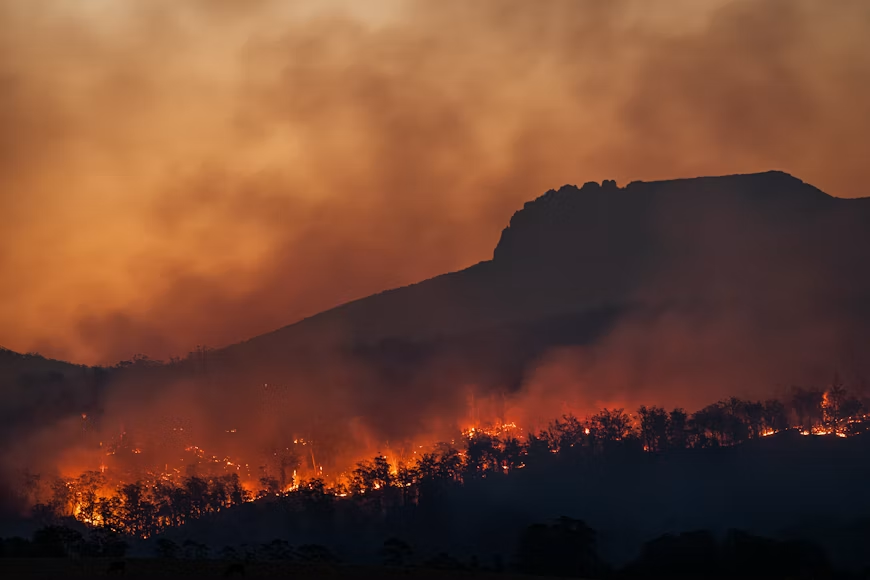
Millions of people across the Midwest and Northeast are currently under air quality alerts as wildfire smoke drifts across the region. If skies near you have looked hazy lately, here’s what that smoke is actually doing to your health and how to protect yourself while it lingers.
Why This Is Happening
Severe drought conditions combined with heat across parts of Canada and the US have created ideal conditions for wildfires to spread quickly, and prevailing winds are carrying that smoke hundreds of miles into populated areas far from the fires themselves.
What Wildfire Smoke Does to Your Body
The main health concern isn’t the visible haze it’s the fine particulate matter (often called PM2.5) inside wildfire smoke. These particles are small enough to penetrate deep into the lungs and even enter the bloodstream, and they’re linked to:
- Shortness of breath and coughing
- Dizziness and fatigue
- Aggravation of existing heart and lung conditions
- Eye and throat irritation
For people with asthma, COPD, or heart disease, wildfire smoke exposure can meaningfully worsen symptoms, not just cause temporary discomfort.
Who’s Most at Risk
- People with existing respiratory or heart conditions smoke exposure can trigger flare-ups
- Older adults more vulnerable to both heart and lung complications from poor air quality
- Children breathe more air relative to body size, increasing relative exposure
- Pregnant women some research links heavy smoke exposure to pregnancy complications
- Outdoor workers prolonged exposure without protection increases cumulative risk
How to Protect Yourself
- Check your local air quality index (AQI) before heading outside. Most weather apps now include this alongside temperature.
- Stay indoors when AQI is high, especially during peak smoke hours.
- Wear a well-fitted N95 mask if you must be outside for an extended period cloth masks don’t filter fine particulates effectively.
- Keep windows closed and use air purifiers or air conditioning with clean filters if available.
- Avoid strenuous outdoor exercise on high-smoke days, since heavier breathing pulls more particulate matter deep into the lungs.
- Watch for symptoms like persistent coughing, chest tightness, or unusual fatigue, and seek medical attention if they worsen.
10 Benefits of Walking 30 Minutes a Day
Is This Becoming More Common?
Research increasingly links warming temperatures from fossil fuel emissions to wildfires becoming more frequent and more intense, which means smoke events reaching populated areas far from the fire source are likely to keep happening rather than being a one-off event.